
Illustrations
Références
Stoffel (Jean‐François), Cosmologie versus idolâtrie : l’exemple de la désacralisation du Soleil, dans L’idole dans l’imaginaire occidental / études réunies et présentées par Ralph Dekoninck et Myriam Watthee‐Delmotte. – Paris : L’Harmattan, 2005. – pp. 195 – 216. – (Structures et pouvoirs des imaginaires).
Téléchargement
Cosmologie versus idolâtrie
L’exemple de la désacralisation du Soleil
Résumé
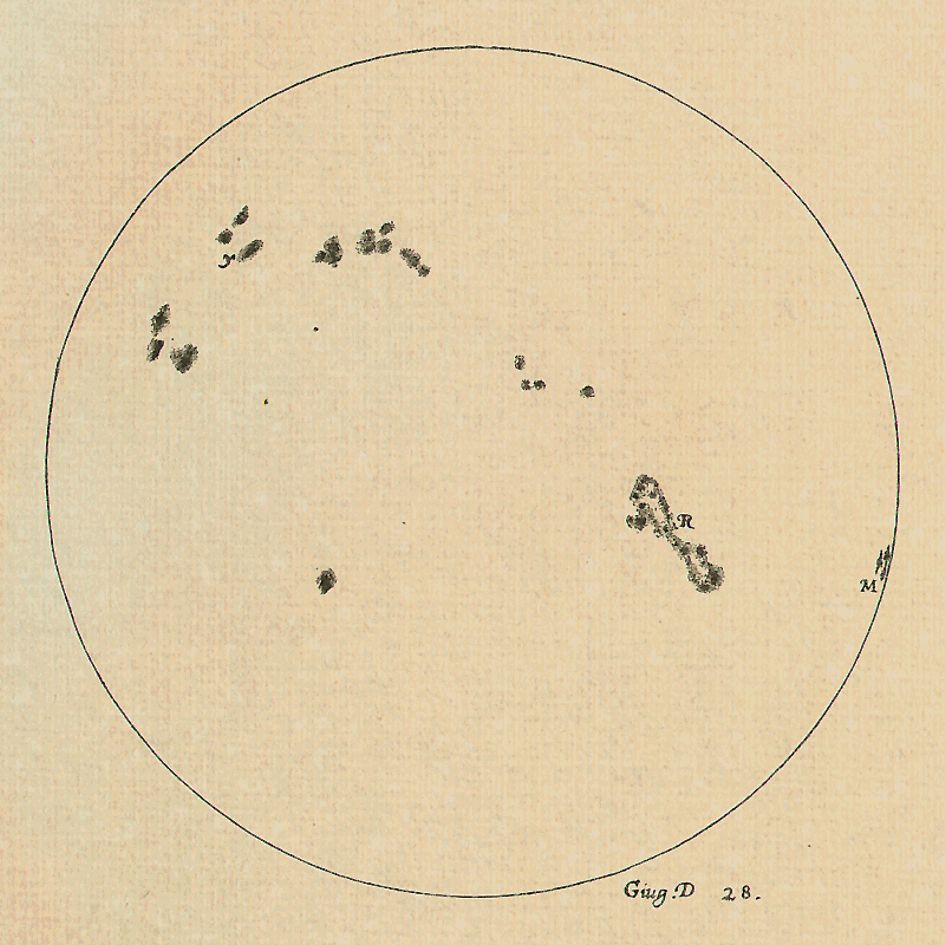
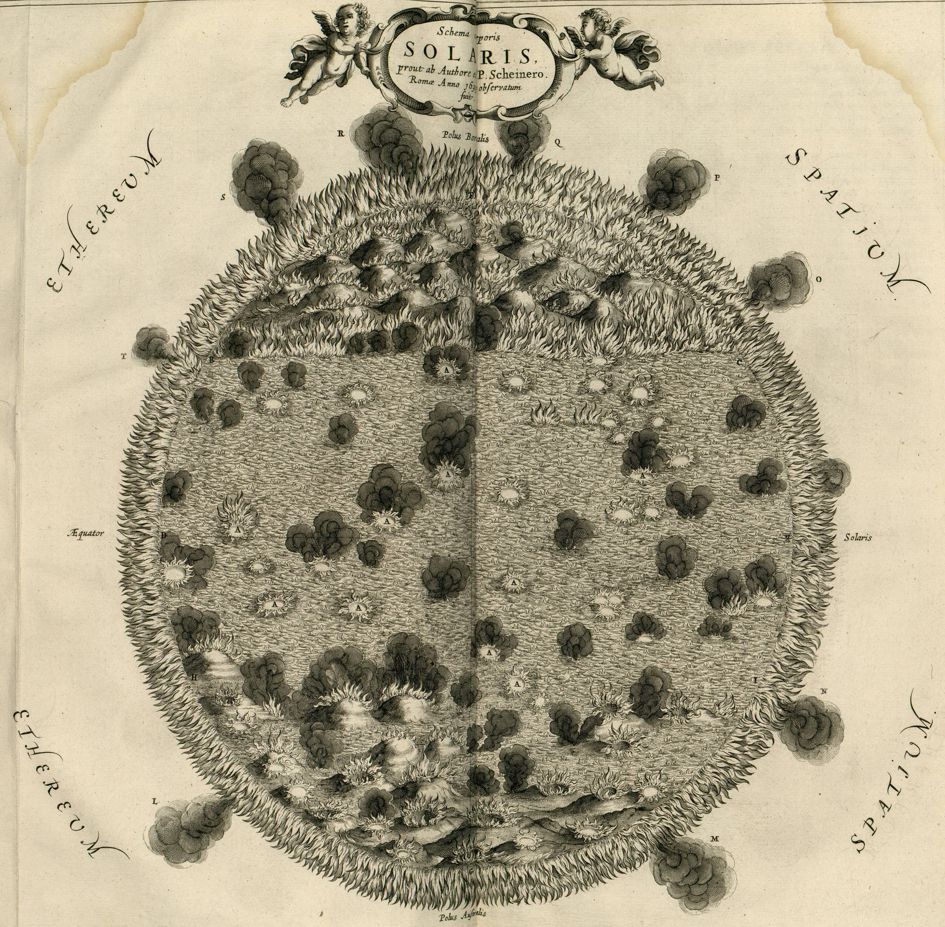
Deux appréciations différentes peuvent être portées quant à l’influence de la cosmologie moderne sur l’héliolâtrie traditionnelle. Selon la première, la cosmologie moderne a valorisé le Soleil en lui accordant une position cosmologique conforme à son incontestable importance physique, astronomique et symbolique. Selon la seconde au contraire, en conduisant au désenchantement du monde, elle a mis fin à l’héliolâtrie antique. Ces appréciations, apparemment contradictoires, contiennent chacune une part de vérité, dans la mesure où la cosmologie moderne se décompose en trois étapes presque simultanées, mais aux conséquences bien différentes : 1°) le passage du géocentrisme à l’héliocentrisme, qui opère un renforcement de la symbolique solaire : 2°) la suppression de la bipartition entre monde sublunaire et monde céleste, qui au contraire vient infirmer la perfection et l’excellence traditionnellement reconnues à l’astre du jour ; et enfin 3°) le passage du monde clos à l’univers infini, qui parachève la désacralisation du Soleil précédemment entamée. Cet article est consacré à la deuxième de ces trois étapes. Il met notamment en évidence, d’une part, que le Soleil, maintenant qu’il est connu comme couvert de taches, symbolise non plus la divinité, mais l’imperfection inévitable du monde et du genre humain et, d’autre part, que si sa désignation traditionnelle comme étant « l’omnivoyant » reste de mise, c’est dorénavant au sein d’usages comiques et irrévérencieux.
Abstract
There are two possible points of view with regards to how modern cosmology has influenced the traditional heliocentric system. The first would say that modern cosmology has given a greater importance to the sun by giving her a place in the universe which is equal to her undeniable physical, astronomical and symbolic value. Another possible point of view would be that when the symbolic value of the earth was diminished, the sun suffered the same fate. Both of these two, apparently contradictory, points of view are true in their own way, insofar as modern cosmology can be divided into three stages which although simultaneous, have very different effects. 1) Passing from a geocentric to a heliocentric system strengthened the symbolic value of the sun. 2) However, this movement caused what had been a clear distinction between the sublunary world and the heavens to be lost. This distinction had upheld the excellence of the day star. 3) Finally the world which had been finite and well defined became infinite. The third stage was the final blow in the devaluation of the sun. This article deals with the second of these three stages : that, on the one hand, the sun is covered with marks and can no longer be seen as symbolising divinity but only inevitable imperfection, which reflects the world and mankind itself. On the other hand, if the sun was “all seeing”, this vision is now at best a comic parody, if not strictly irreverent.
Recherche
Mots clés
Révolution copernicienne