
Illustrations
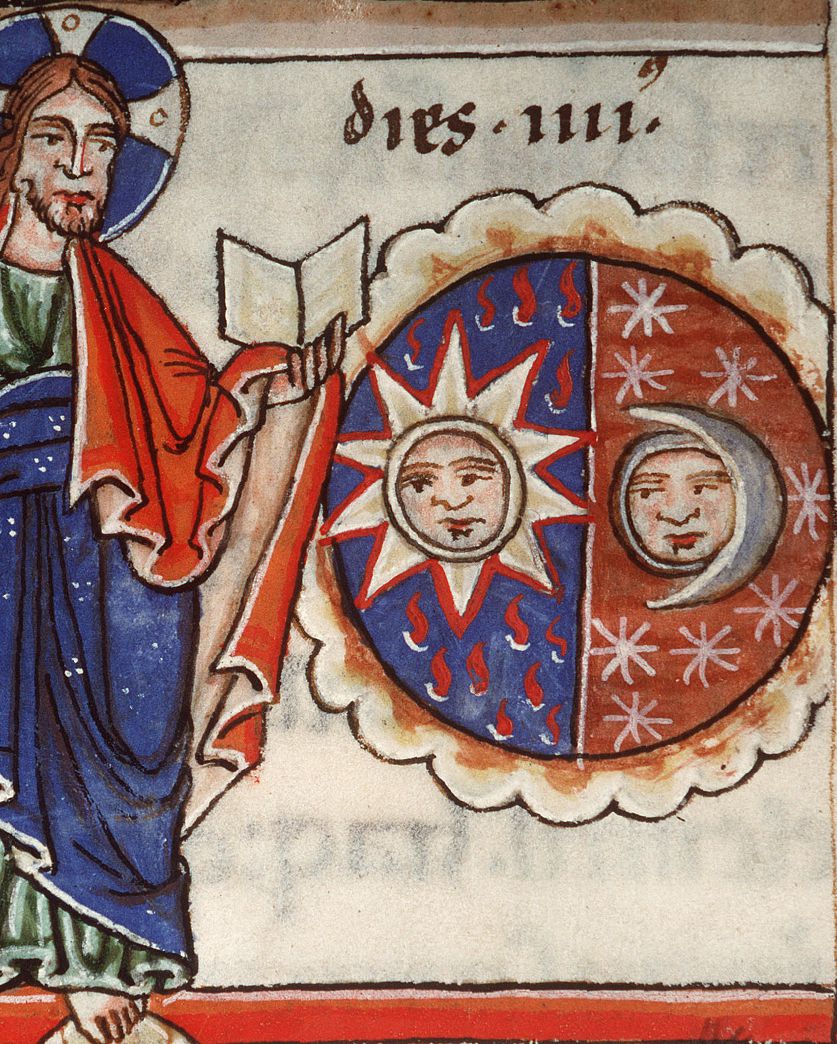
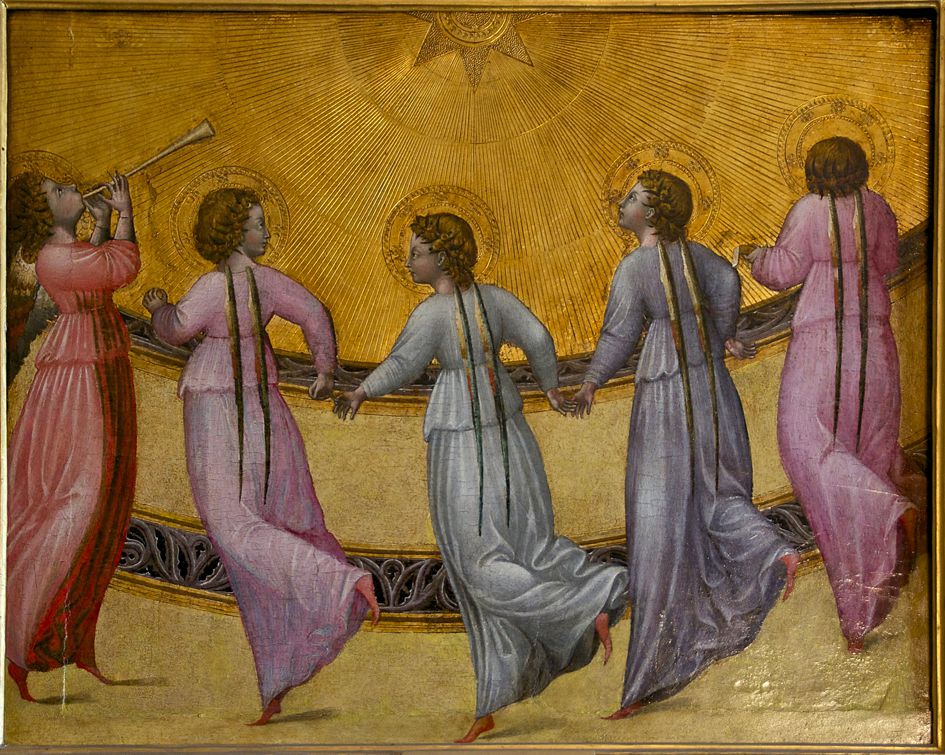
Références
Stoffel (Jean‐François), La révolution copernicienne responsable du « désenchantement du monde » ? L’exemple des analogies solaires, in Revue belge de philologie et d’histoire, vol. 80, 2002, n°4, pp. 1189 – 1224.
Téléchargement
La révolution copernicienne responsable du « désenchantement du monde » ?
L’exemple des analogies solaires
Résumé
Il serait tentant d’associer le géocentrisme à la dévalorisation radicale du Soleil et l’héliocentrisme à sa soudaine et nouvelle valorisation. En comparant les discours analogiques tenus avant et après la centration copernicienne du Soleil, cet article démontre au contraire que l’héliocentrisme est venu simplement enrichir la symbolique solaire déjà très prononcée du géocentrisme en remédiant à un certain nombre de ses lacunes. En effet, en lui accordant une centralité géométrique venant compléter sa centralité ontologique aristotélicienne, le géocentrisme a déjà su donner à l’astre du jour une position cosmologique digne de ses caractéristiques naturelles (maître des saisons, source de lumière, de chaleur et de vie…) et de ses significations symboliques (œil du monde, symbole de la divinité ou du Bien), à tel point qu’on pourrait se demander comment l’héliocentrisme pourrait encore améliorer les discours analogiques tenus à son propos. Il le fit en immobilisant l’astre du jour, ce qui permit de pousser plus avant les analogies établies avec le Bien, la divinité, le cœur humain ou le roi, puisque ceux‐ci ne doivent pas se déplacer pour remplir leur office ; mais également en lui accordant une véritable centralité géométrique et plus seulement numérique. Non content d’accroître la pertinence de ces anciennes analogies, l’héliocentrisme a finalement permis l’élaboration de nouvelles analogies jouant sur les rapports entre centre et périphérie.
Abstract
It is always tempting to associate the geocentric system with a devaluing of the sun and the heliocentric system with one in which the sun holds a more prominent position. Yet if one looks at the writings before and after Copernicus places the sun at the centre of the universe, the situation is less clear. This article explores the reality of the fact that the heliocentric system enriched the symbolic value of the sun, which was already highly prominent, by correcting a number of errors. In a geocentric system the sun might not have been in the actual centre of the cosmos, but it was the ontological and the geometric centre. This symbolic centrality of the sun was worthy of her natural attributes (master of the seasons, source of light, heat and life…), and her rich symbolic reference (the eye of the world, sign of divinity and of Goodness). The only question which remains is to ask what a heliocentric system could possibly do to add to her list of accolades ? In the new system, the day star was immobile, allowing a stronger reference to be made to her being an analogy for the Good, the divine, the human heart or a king. As a king is the heart of his kingdom and his subjects move around him, the sun found herself the centre of the cosmos. A heliocentric system allowed previous analogies to be enriched, but new analogies were also made possible which explored the relation between centre and periphery.
Recherche
Mots clés
Analogie –
Dieu –
Dieu (retrait de) –
Désenchantement du monde –
Géocentrisme –
Héliocentrisme –
Proclus –
Révolution copernicienne –
Soleil –
Soleil (centralités) –
Soleil (cœur) –
Soleil (héliolâtrie) –
Soleil (roi) –
Soleil (symbole du Bien) –
Soleil (tabernacle) –
Soleil (œil de Dieu) –
Soleil (œil du monde)
Révolution copernicienne
Analogie –
Dieu –
Dieu (retrait de) –
Désenchantement du monde –
Géocentrisme –
Héliocentrisme –
Proclus –
Révolution copernicienne –
Soleil –
Soleil (centralités) –
Soleil (cœur) –
Soleil (héliolâtrie) –
Soleil (roi) –
Soleil (symbole du Bien) –
Soleil (tabernacle) –
Soleil (œil de Dieu) –
Soleil (œil du monde)